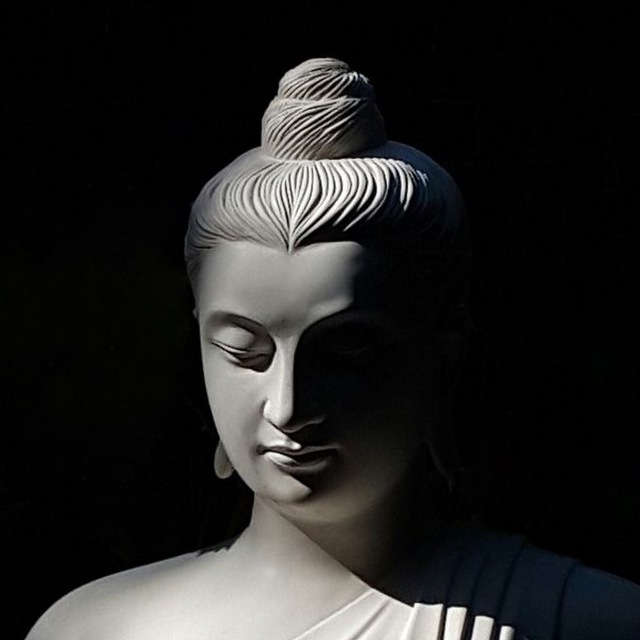
The central tenet of Mādhyamika Buddhism, that saṁsāra is nirvana, is difficult to understand in any other way except as asserting the two different ways of perceiving, dually and nondually. The dualistic perception of a world of discrete objects (one of them being me) which are created and destroyed constitutes saṁsāra. Nāgārjuna describes the cessation of this way of experiencing the world in the last stanza of the Mūlamadhyamikakārikā chapter on nirvana: “Ultimate serenity is the coming to rest of all ways of taking things (sarvopalambhopaśama), the repose of all named things (prapañcopaśama).” In a footnote to his translation Sprung explains sarvopalambhopaśama: “It is not merely that ways of thinking about things change in nirvāṇa, but that the everyday way of perceiving, or ‘taking’, things ceases to function.”