Ian James - The Intruded
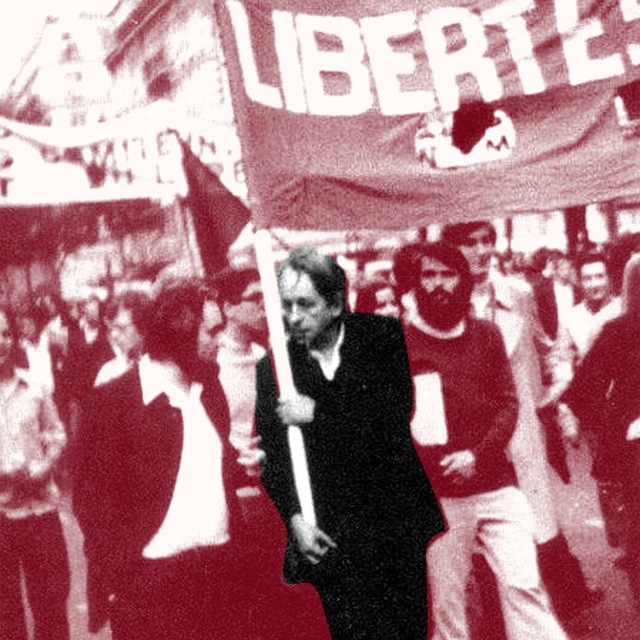
This all changed in the following decade when Nancy encountered the influences that would shape the rest of his career. In 1961 he was introduced to Hegel by the philosopher and theologian Georges Morel, and the following year wrote his master’s dissertation on religion in Hegel under the supervision of Paul Ricœur. Although, by his own account, Nancy was no longer personally religious, he nevertheless continued in these years to participate in activist Christian circles as well socialist and trade union groups. During this time he also discovered Heidegger, and was influenced by the philosopher of science Georges Canguilhem who taught him at the Sorbonne. In 1967 he met Philippe Lacoue-Labarthe, another deeply engaged reader of Heidegger with whom he would participate in the events of May ’68, and who as a colleague at Strasbourg became a long-standing friend and philosophical collaborator. The sixties bear witness to the eclecticism of Nancy’s intellectual formation, one in which the influences of his religious upbringing and milieu, his political activism and philosophical engagements were so deeply entangled as to be inseparable. In this environment Heidegger’s destruction of metaphysics could align with a profound disaffection with the political perspectives of the period and fuel non-conformist or non-communist Marxist activism and even insurrection.
https://newleftreview.org/sidecar/posts/the-intruded
This all changed in the following decade when Nancy encountered the influences that would shape the rest of his career. In 1961 he was introduced to Hegel by the philosopher and theologian Georges Morel, and the following year wrote his master’s dissertation on religion in Hegel under the supervision of Paul Ricœur. Although, by his own account, Nancy was no longer personally religious, he nevertheless continued in these years to participate in activist Christian circles as well socialist and trade union groups. During this time he also discovered Heidegger, and was influenced by the philosopher of science Georges Canguilhem who taught him at the Sorbonne. In 1967 he met Philippe Lacoue-Labarthe, another deeply engaged reader of Heidegger with whom he would participate in the events of May ’68, and who as a colleague at Strasbourg became a long-standing friend and philosophical collaborator. The sixties bear witness to the eclecticism of Nancy’s intellectual formation, one in which the influences of his religious upbringing and milieu, his political activism and philosophical engagements were so deeply entangled as to be inseparable. In this environment Heidegger’s destruction of metaphysics could align with a profound disaffection with the political perspectives of the period and fuel non-conformist or non-communist Marxist activism and even insurrection.
https://newleftreview.org/sidecar/posts/the-intruded